Understanding Meridian Physiology

The Elemental Body
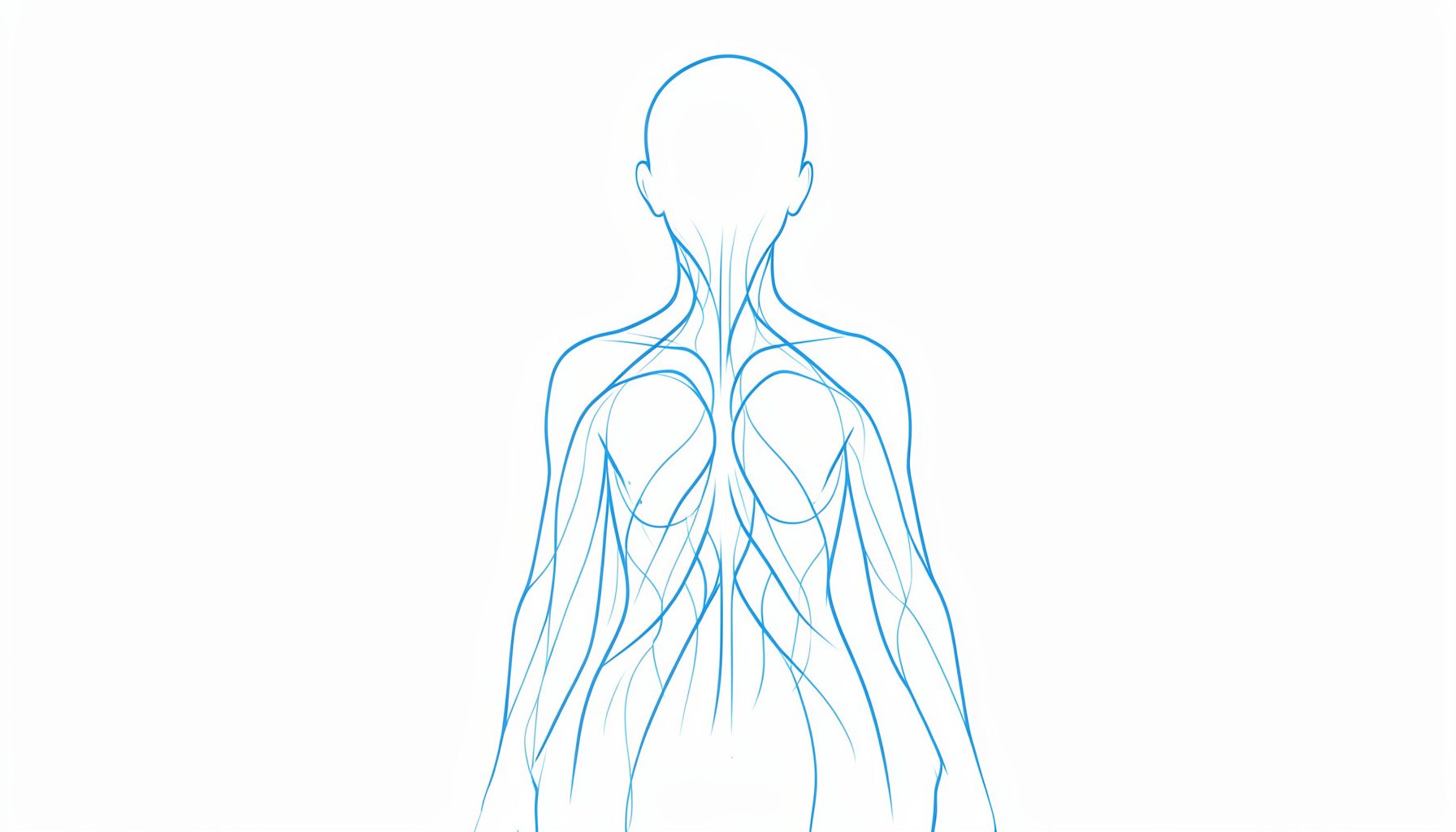
Elemental Meridian Physiology examines how the body's meridian pathways relate to the classical elements. Rather than viewing meridians as abstract energy lines, this approach investigates their tangible physiological connections — how they correspond to organ function, tissue states, and the body's regulatory systems.
By integrating elemental theory with modern understanding of body function, practitioners gain a richer framework for both self-inquiry and therapeutic application. This perspective bridges Eastern meridian science with a grounded, body-centered awareness.
Exploring the meridian pathways through an elemental lens reveals how deeply our emotional and physical states intertwine. Each meridian corresponds not only to specific organs and tissues but also to particular emotional patterns that arise naturally in daily life. When we feel stress or fear, certain meridians may tighten or stagnate, while feelings of love and happiness tend to encourage smooth, open flow. This understanding invites practitioners to view their emotional reactions as valuable signals rather than problems to suppress. By learning to recognize these patterns on the mat and in meditation, students develop a more intimate relationship with their own body's wisdom, supporting both mental clarity and physical ease.
The elemental approach to meridian physiology offers practical tools for addressing common health concerns such as chronic tension, digestive issues, and emotional imbalance. Rather than treating symptoms in isolation, this framework considers how the five elements interact within the body's regulatory systems. For example, a pose sequence that targets the water element may help release deep-seated fears, while practices focused on the fire element can reignite motivation and joy. Students learn to adapt their daily practice according to what they observe in their own energy levels, mood, and physical sensations, creating a truly personalized path toward greater well-being.
Modern research into connective tissue, fascia, and the body's electrical signaling systems continues to validate what meridian theory has described for centuries. The body's network of fascia forms a continuous web that transmits mechanical and electrical information, closely mirroring the classical meridian map. This convergence of ancient wisdom and contemporary science opens exciting possibilities for yoga practitioners who wish to deepen their understanding of how asana, breathwork, and meditation influence physiological function. By integrating these perspectives, students gain confidence in their practice as both a physical discipline and a meaningful tool for emotional regulation, stress reduction, and long-term health maintenance.
Within the Research Project
This topic sits within the interdisciplinary Yoga, Stress & Nutrition Research Project, which also investigates Ayurvedic constitution types, Traditional Chinese Medicine, and the psychological dimensions of the meridian system. Together, these areas form a holistic inquiry into how yoga practice, stress management, and nutritional wisdom intersect.